“Before you plug it in — know what the bylaws say.When it comes to zoning, the smallest details can have the biggest impact. Over the years, the Sunshine Coast Regional District has quietly changed how it defines a “cooking facility,” and those shifts can directly affect how your property is classified.
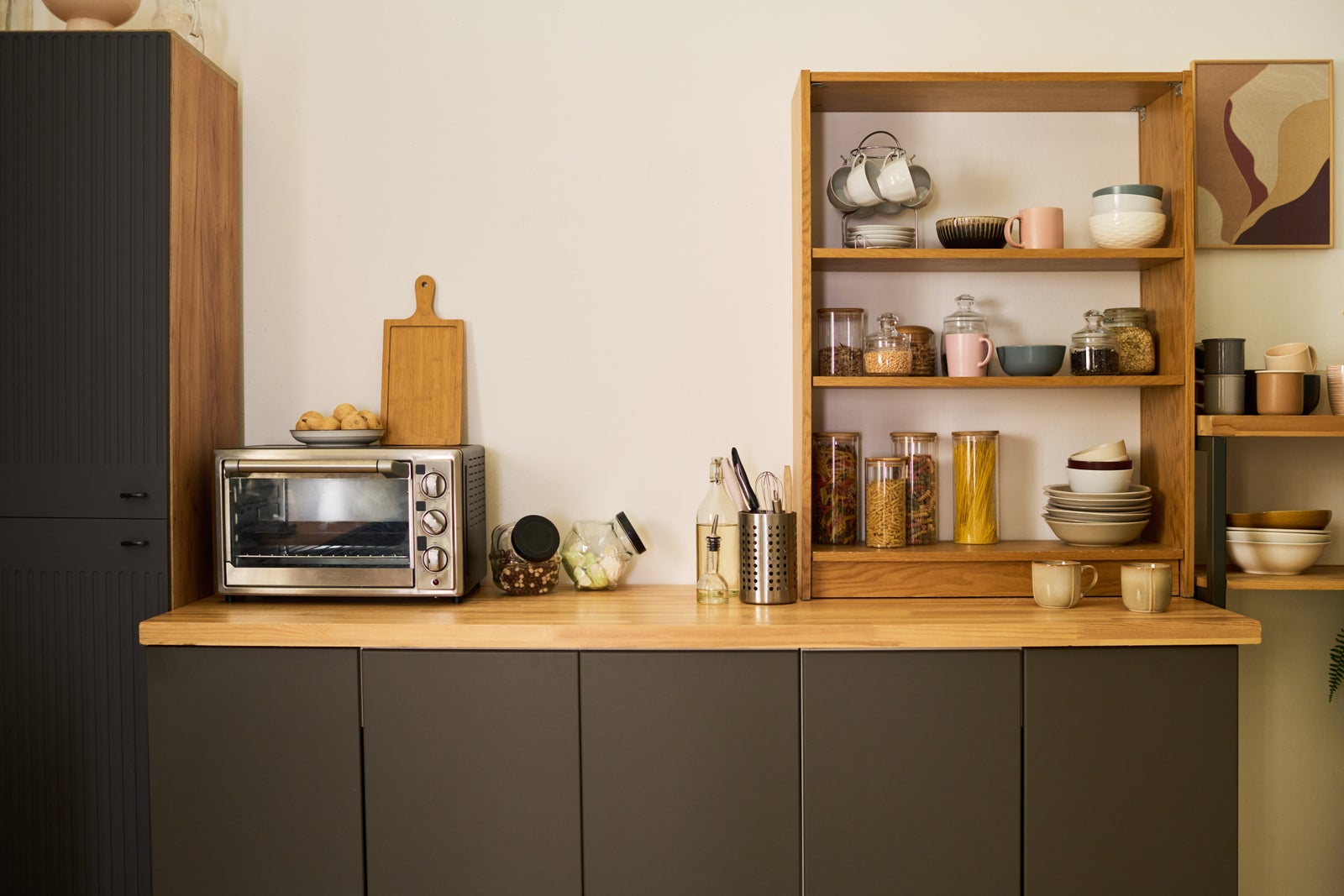
Back in 2019, the SCRD zoning bylaw didn’t define cooking facilities at all. The term was only mentioned in the description of a “dwelling unit,” leaving plenty of grey area around what actually counted as a kitchen. Fast-forward to November 2024, and the bylaw now includes a far broader definition—one that covers nearly every common household appliance. Today, a cooking facility means any arrangement of cooking appliances or service lines that could power them—including stoves, ovens, microwaves, countertop burners, toaster ovens, slow cookers, and even pressure cookers.
That means a microwave in your rec room or a hot plate in a guest sleeping cabin could, technically, be interpreted as a second kitchen—and, by extension, a second dwelling.
While these updates may seem overly broad (and tricky to enforce), they highlight an important takeaway: what you can do on your property depends on the exact wording of the bylaws in place at the time. The District of Sechelt, for example, doesn’t currently define “cooking facilities” at all, while Gibsons and the SCRD do—each with slightly different interpretations.
If you’re buying with plans to add a suite, create a short-term rental, or build an accessory dwelling, it’s crucial to confirm what’s allowed before you buy. Tell us how you plan to use the property, and we’ll help you find one with the right zoning, layout, and flexibility—so you can focus on the dream, not the definitions.“Before you plug it in — know what the bylaws say.
When it comes to zoning, the smallest details can have the biggest impact. Over the years, the Sunshine Coast Regional District has quietly changed how it defines a “cooking facility,” and those shifts can directly affect how your property is classified.
Back in 2019, the SCRD zoning bylaw didn’t define cooking facilities at all. The term was only mentioned in the description of a “dwelling unit,” leaving plenty of grey area around what actually counted as a kitchen. Fast-forward to November 2024, and the bylaw now includes a far broader definition—one that covers nearly every common household appliance. Today, a cooking facility means any arrangement of cooking appliances or service lines that could power them—including stoves, ovens, microwaves, countertop burners, toaster ovens, slow cookers, and even pressure cookers.
That means a microwave in your rec room or a hot plate in a guest sleeping cabin could, technically, be interpreted as a second kitchen—and, by extension, a second dwelling.
While these updates may seem overly broad (and tricky to enforce), they highlight an important takeaway: what you can do on your property depends on the exact wording of the bylaws in place at the time. The District of Sechelt, for example, doesn’t currently define “cooking facilities” at all, while Gibsons and the SCRD do—each with slightly different interpretations.
If you’re buying with plans to add a suite, create a short-term rental, or build an accessory dwelling, it’s crucial to confirm what’s allowed before you buy. Tell us how you plan to use the property, and we’ll help you find one with the right zoning, layout, and flexibility—so you can focus on the dream, not the definitions.