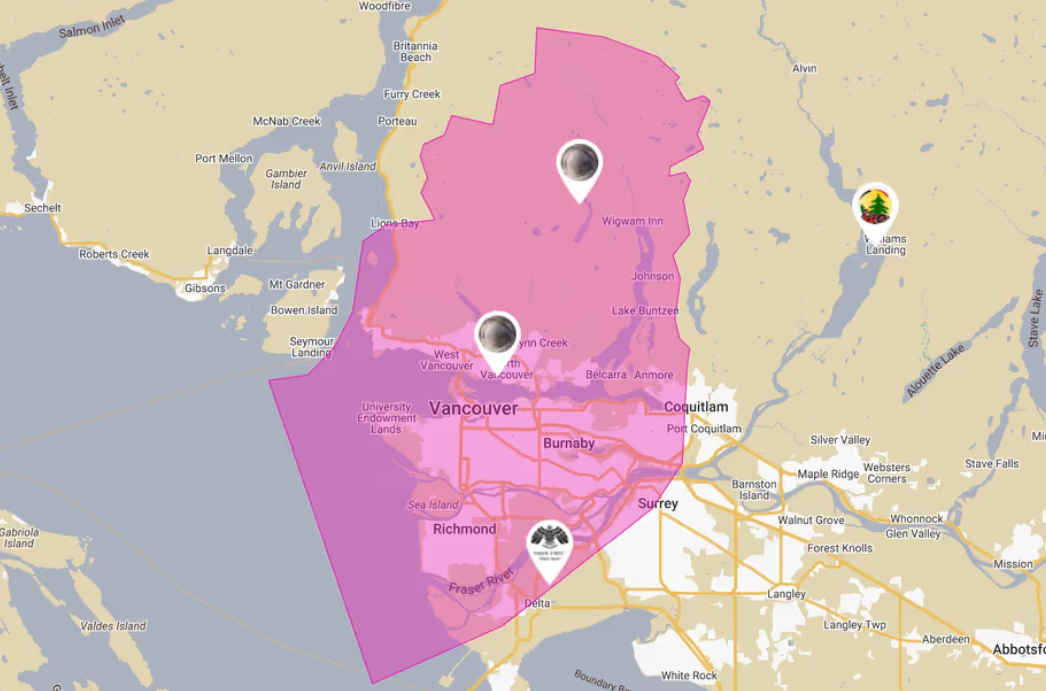
On February 20, 2026, the Government of Canada and the Musqueam Indian Band signed three agreements recognizing Musqueam’s Aboriginal rights and strengthening their roles in stewardship and fisheries management within their traditional territory.
The agreements include
- a Rights Recognition Agreement, formally acknowledging that Musqueam has Aboriginal rights including title within their traditional territory and establishing a framework for incremental implementation of those rights;
- a Stewardship and Marine Management Agreement, creating collaborative shared decision-making around environmental protection and marine areas;
- and a Fisheries Agreement, supporting shared fisheries management and providing implementation funding and resources.
At this stage, the announcement centers on recognition of rights and shared governance, particularly related to stewardship and fisheries. The full legal texts and detailed implementation mechanisms have not yet been publicly released, so timelines and operational specifics are still emerging.
There has been public discussion about what agreements of this nature could mean for private property owners. At this time, there has been no indication from official sources that existing private property titles would be cancelled, altered, or retroactively affected. The agreements focus on recognition and governance frameworks rather than changing current private ownership rights.
As more information becomes available, we will continue reviewing the details and communicating clearly if there are any implications for planning, development, or property ownership.
Because these discussions often reference previous court decisions, it’s helpful to look at context:
Haida Gwaii and Richmond
Many conversations are referencing Haida Gwaii as a comparison. In British Columbia, agreements recognizing Aboriginal title, including those involving the Haida Nation, did not result in private homeowners losing their residential properties. Existing fee-simple private ownership remained in place. Those agreements primarily addressed Crown land, governance structures, and resource management frameworks rather than retroactively changing private land titles.
Some readers have also referenced the recent B.C. Supreme Court decision involving the Cowichan Tribes and land in Richmond. In that case, the Court recognized Aboriginal title over a defined area and found that certain historic Crown grants to government entities were invalid. The decision did not cancel private residential property ownership, and it did not order homeowners to surrender their homes. The case highlights that governments may need to work through title issues where historical grants are challenged, but it does not equate to retroactive loss of private property.
Aboriginal Title – In Plain Language
Aboriginal title is a legal concept in Canadian law that recognizes Indigenous Nations’ historic and ongoing relationship to their traditional lands. It is protected under Section 35 of the Constitution Act, 1982.
In practical terms, Aboriginal title acknowledges that Indigenous peoples had established societies and systems of land use long before European settlement, and that those rights continue to exist unless they were lawfully surrendered.
In application, Aboriginal title primarily affects Crown land and how governments make decisions about land use, development, and resource management going forward.
When title is recognized, whether through a court decision or negotiated agreement, it typically results in shared decision-making between governments and the Indigenous Nation, expanded consultation requirements, increased Indigenous authority in stewardship and planning in crown land and resources, and formal implementation frameworks.
It does not mean that private homeowners automatically lose their properties. Where private fee-simple ownership already exists, agreements in British Columbia have been structured to respect those interests.
As always, the specific details of each agreement matter. We will continue to monitor developments and provide updates grounded in verified information.
Our real estate board is also ensuring members receive ongoing education and updated guidance so we remain informed and able to provide accurate advice as these developments unfold.
If you have questions about how this relates to your property or plans, we are always available to provide more detailed information.
This article is based on the Government of Canada announcement dated February 20, 2026, outlining three agreements signed with the Musqueam Indian Band recognizing Aboriginal rights and strengthening stewardship and fisheries management. As of publication, the full implementation documents have not yet been released publicly. Statements regarding Haida Gwaii are based on publicly available provincial and First Nations materials confirming that recognition of Aboriginal title did not cancel existing private residential property ownership.